
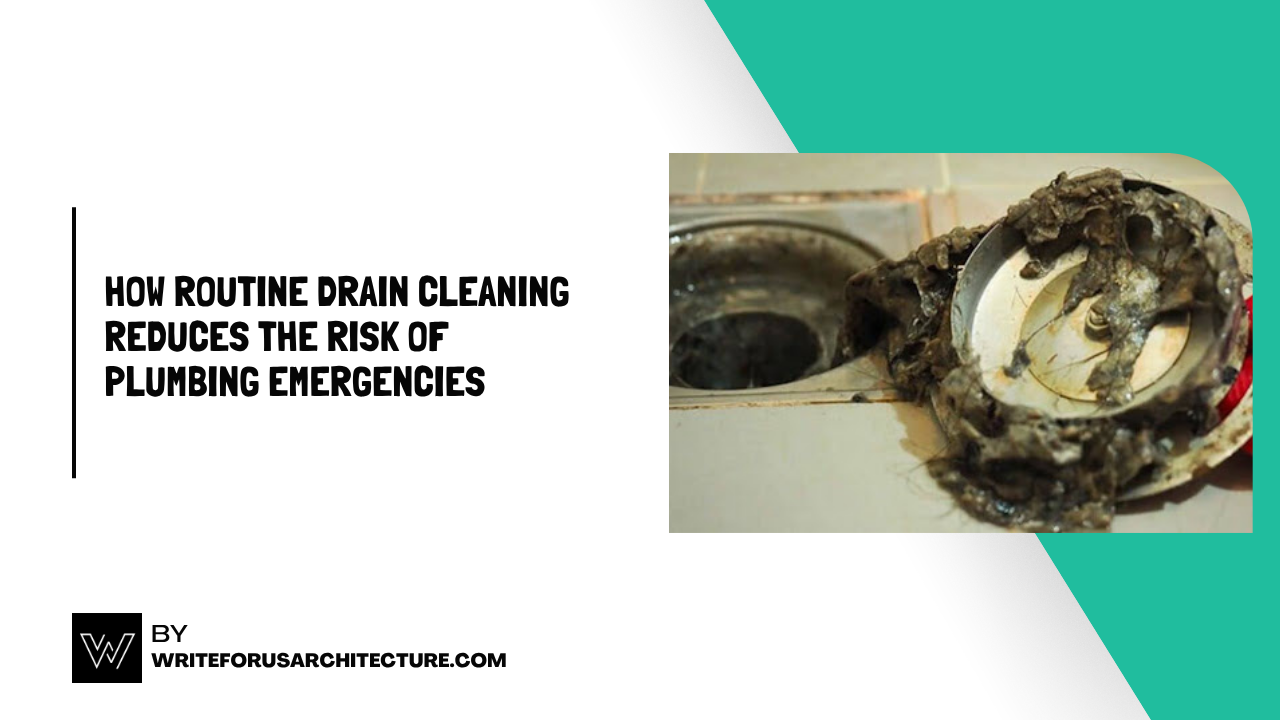
Most homeowners don’t think about their drains until something goes wrong. A slow gurgle, a puddle that won’t go away, or worst of all a full-blown backup on a Sunday night. The truth is, the majority of plumbing emergencies don’t happen without warning. They build slowly, quietly, behind walls and beneath floors, fueled by months or years of neglect. Routine drain cleaning is one of the simplest, most cost-effective habits you can adopt to keep your plumbing system healthy and your home protected from unexpected disasters.
Understanding How Drains Get Compromised
Before diving into the benefits of routine cleaning, it helps to understand how drains deteriorate in the first place.
The Gradual Buildup Problem
Drains don’t clog overnight. In kitchen drains, grease, soap scum, and food particles accumulate layer by layer on pipe walls, narrowing the channel over time. In bathroom drains, hair, toothpaste residue, and body oils create dense, sticky blockages that trap everything that flows past. Even in floor drains and utility sinks, sediment, mineral deposits, and debris slowly gather until water can barely pass through.
This gradual buildup is deceptive. Water may still drain, just a little more slowly than before. Most people chalk it up to normal plumbing behavior and move on. But that sluggish drain is a warning sign, not a quirk.
Tree Roots and Aging Pipes
Outdoor sewer lines face a different kind of threat. Tree roots naturally seek out moisture and nutrients, and your sewer line is an ideal source of both. Over time, roots can infiltrate pipe joints, creating blockages and structural damage that worsen with every passing season. Older pipes made of cast iron or clay are especially vulnerable to root intrusion and general corrosion.
The Real Cost of Skipping Drain Maintenance
Many homeowners skip routine drain cleaning because it seems unnecessary, until it becomes urgent.
Emergency Service Fees
A standard drain cleaning appointment is a fraction of the cost of an emergency plumbing call. When a clog turns into a sewage backup or a burst pipe on a holiday weekend, you’re not just paying for the repair you’re paying premium rates for after-hours labor, plus potential costs for water damage remediation, mold treatment, and structural repairs. A single emergency incident can easily cost five to ten times more than a year’s worth of preventive maintenance.
Property Damage and Health Hazards
Sewage backups don’t just smell bad they introduce harmful bacteria and pathogens into your living space. Contaminated water that seeps into flooring, drywall, or insulation can lead to mold growth within 24 to 48 hours. Restoring a home after a major sewage event is an expensive, disruptive process that can take weeks and displace your entire household.
Shortened Pipe Lifespan
Constant pressure from blockages, along with the chemical reactions caused by trapped organic matter, accelerates pipe corrosion. Pipes that are regularly cleaned and maintained simply last longer protecting your investment and delaying the need for costly pipe replacements or repiping projects.
Key Benefits of Routine Drain Cleaning
Now that the risks are clear, here’s what consistent maintenance actually delivers.
Prevents Blockages Before They Become Emergencies
The most obvious benefit is prevention. Regular cleaning removes buildup before it reaches the point of complete obstruction. A professional hydro-jetting service or enzyme-based treatment can clear grease, soap scum, and mineral deposits from pipe walls, restoring full flow capacity and eliminating the conditions that lead to backups.
Reveals Hidden Problems Early
Routine maintenance gives a plumber the opportunity to inspect your pipes on a regular basis. Camera inspections, often paired with drain cleaning services, can detect early-stage root intrusion, hairline cracks, misaligned joints, or areas of significant corrosion before they fail. Catching these issues early means affordable repairs instead of emergency replacements.
Eliminates Persistent Odors
Foul smells emanating from drains are a common sign of trapped organic matter decomposing inside your pipes. Regular cleaning flushes out this material, keeping your drains smelling fresh and your indoor air quality healthy.
Maintains Water Flow Efficiency
Partially blocked drains put stress on your entire plumbing system. Pumps work harder, pressure builds unevenly, and fixtures perform below their potential. Clean drains allow water to move freely, maintaining the pressure balance your system was designed to operate at.
How Often Should You Schedule Drain Cleaning?
The right maintenance schedule depends on your household’s usage and the age of your plumbing.
General Guidelines
For most homes, a professional drain cleaning once every one to two years is a solid baseline. High-use households those with large families, frequent cooking, or older pipes may benefit from annual service. Homes with mature trees growing near sewer lines should consider more frequent inspections to monitor root activity.
Signs You Need Service Sooner
Don’t wait for a scheduled appointment if you notice any of the following: drains that are consistently slow, gurgling sounds coming from toilets or drains, water backing up into sinks or tubs, or unexplained wet spots in your yard. These are signs that your system needs attention now. If you find yourself in this situation, professional emergency drain cleaning in Ramsey, NJ can quickly diagnose and resolve the problem before it escalates into a costly disaster.”
DIY Maintenance vs. Professional Cleaning
Simple habits go a long way between professional visits. Using drain strainers in sinks and showers catches hair and debris before they enter your pipes. Avoiding grease disposal down kitchen drains and running hot water after each use can slow the rate of buildup significantly. Enzyme-based drain cleaners, used monthly, help break down organic material naturally without damaging your pipes.
That said, DIY methods have clear limits. They can slow buildup, but they cannot clear established blockages, detect structural damage, or reach the deeper sections of your sewer line. Professional services use specialized equipment such as hydro-jetters, drain snakes, and video inspection cameras that provide a level of thoroughness no homeowner product can match.
Conclusion
Your plumbing system works quietly in the background every day, and it’s easy to take it for granted. But like any system under constant use, it requires regular attention to function at its best. Routine drain cleaning is not an unnecessary expense, it is a strategic investment that prevents emergencies, protects your home, extends the life of your pipes, and saves you significant money in the long run. Don’t wait for a crisis to remind you that your drains matter. Schedule a cleaning today and give your plumbing the care it deserves.