
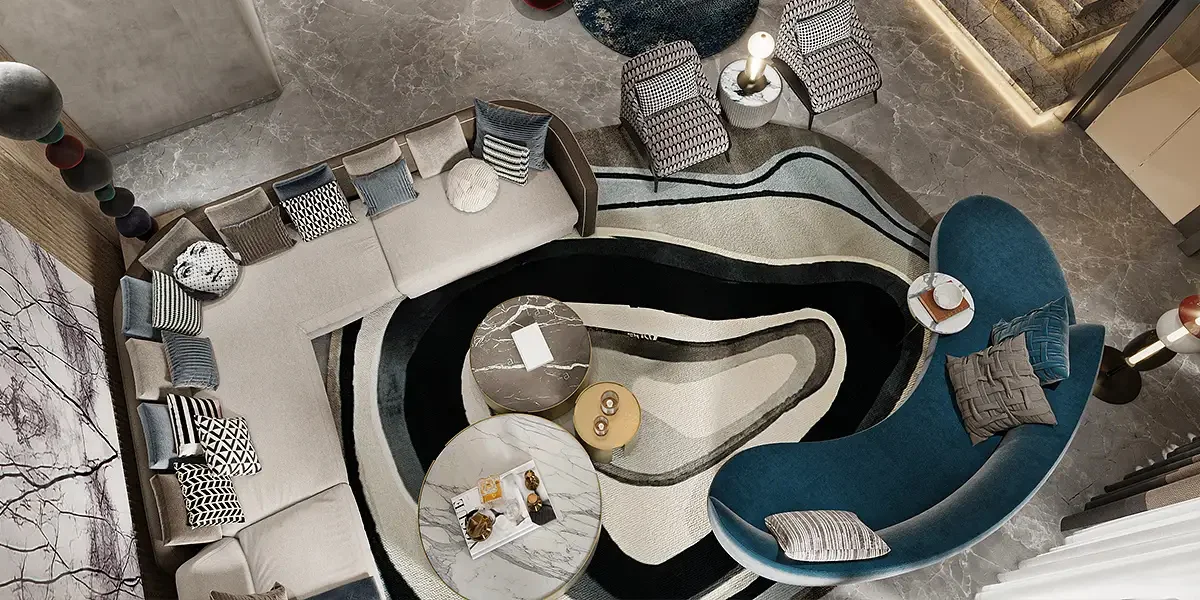
In the realms of modern architecture and luxury property development, design is often defined by structural lines, spatial flow, and material permanence. Architects and interior designers meticulously select premium marble, sustainable hardwoods, and custom lighting to create breathtaking environments. However, the ultimate validation of any architectural space lies in its human scale—how the end-user physically interacts with the environment. In high-end residential builds, boutique hotels, and luxury multi-family properties, the ultimate tactile touchpoint is the bedding. For architectural firms, property management companies, and hotel purchasing departments, realizing the full potential of a luxury space requires looking beyond structural elements. Partnering with a dedicated hotel linen supplier ensures that the interior textiles perfectly complement the architectural vision, transforming a beautifully designed physical structure into an unforgettable sensory experience.
Textiles as an Extension of Architectural Vision
Great architecture relies on a cohesive design language where every element, from the façade to the furniture, works in harmony. When a luxury property or boutique hotel is designed with clean geometric lines, floor-to-ceiling glass, or organic minimalist curves, the interior styling must match that aesthetic weight. Subpar, wrinkled, or flimsy retail linens can instantly cheapen a multimillion-dollar architectural space.
To prevent this design disconnect, developers and interior procurement managers work closely with a premium luxury bedding supplier. High-end commercial linens act as a canvas for the bedroom, anchoring the furniture and framing the architectural view. The crispness of a flawlessly pressed percale sheet or the elegant, heavy drape of a premium sateen duvet cover reflects the same precision and structural intent that went into drafting the building’s blueprints.
Designing for the Physical Senses: Acoustic and Tactile Comfort
Architects frequently design spaces with acoustic and tactile harmony in mind. Large, open spaces with concrete, steel, and glass walls create beautiful light, but they also introduce acoustic challenges like echoing. High-quality hospitality textiles play a critical, functional role in balancing these environments.
[Hard Architectural Surfaces] ──> Reflect Sound & Light ──> Potential Harshness
[Premium Wholesale Textiles]  ──> Absorb Sound & Soften ──> Balanced Sensory Comfort
Thick, high-density bath linens, heavy duvet inserts, and plush mattress pads absorb ambient sound waves, dampening echoes and creating a quieter, more peaceful room environment. Furthermore, the tactile transition from smooth architectural wood finishes to premium cotton bedding establishes a comforting rhythm that helps guests and residents relax. For hotel linen distributors and property managers, offering textiles that provide both acoustic and tactile benefits adds immense value to high-end real estate portfolios.
Technical Specifications for the Architecture of Textiles
Just as architects evaluate the tensile strength of steel or the density of concrete, purchasing departments must analyze the structural properties of commercial textiles when sourcing hotel linens wholesale.
Yarn Quality and Staple Length
The baseline of textile architecture is fiber length. Short-staple cotton fibers have loose ends that poke out, causing fabric pilling and a rough texture after a few industrial washes. Premium hospitality linens utilize long-staple combed cotton. These long, continuous fibers are spun into smooth, uniform yarns that resist fraying and thinning under high stresses, ensuring the fabric retains its flawless structural appearance over hundreds of commercial laundry cycles.
Thread Density and Weave Architecture
- The Structural Integrity of Percale: Woven in a classic, uniform one-under-one-over pattern, percale functions like a tightly bound grid. This structure gives the fabric a matte finish, incredible durability, and maximum breathability—ideal for properties featuring modern, industrial, or coastal architectural designs.
- The Fluid Elegance of Sateen: Utilizing a four-under-one-over weave pattern, sateen places more yarn on the fabric surface. This creates a fluid drape that reflects light beautifully, making it the perfect choice for traditional, opulent, or mid-century modern properties that emphasize dramatic interior lighting.
Maximizing Project Budgets Through Wholesale Procurement
For large-scale architectural developments, multi-family construction projects, and hospitality rollouts, procurement logistics require careful budget management. Sourcing materials through established hotel linens wholesale channels allows purchasing departments to scale their operations efficiently while maintaining strict quality control.
Bulk procurement reduces per-unit costs, helping developers maximize their interior outfitting budgets without compromising on the luxury experience. Moreover, a dedicated hotel linen supplier provides design continuity. Unlike retail brands that change their inventory seasonally, commercial suppliers maintain consistent fabric specifications, color matching, and size standards for years. This consistency allows property management companies and home goods distributors to easily restock matching items across expansive property portfolios over time.
Conclusion
True luxury in real estate development is achieved when structural engineering and interior comfort work together seamlessly. By treating textiles as an essential element of the property’s design blueprint, developers, architects, and purchasing managers can create spaces that look stunning and feel extraordinarily comfortable. Partnering with a professional hotel linen supplier guarantees that your property investments are outfitted with durable, elegant, and architecturally appropriate textiles that stand the test of time.
