
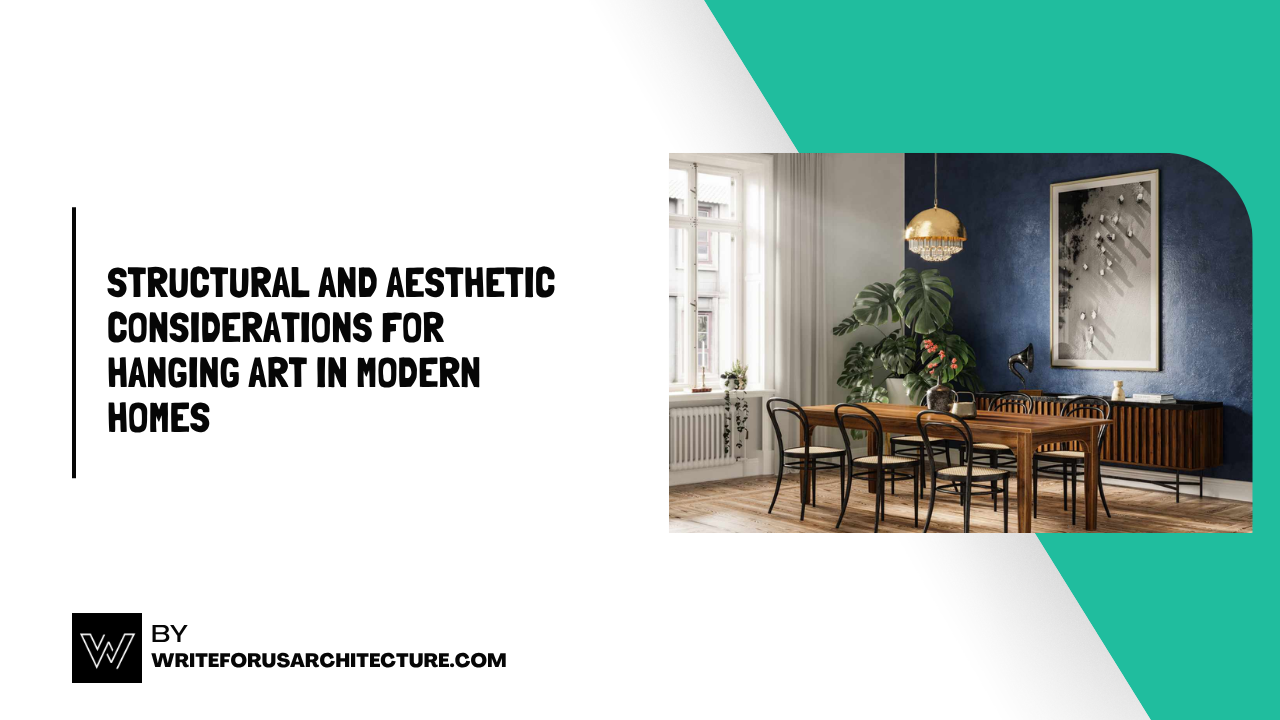
Integrating artwork into a residential space is a crucial step in transforming a simple house into a tailored home. Art provides personality, warmth, and visual interest to otherwise blank interior spaces. Particularly in open plan layouts where solid wall space is at a premium, the strategic placement of visual elements becomes even more critical. However, the process of displaying these pieces requires far more than just a hammer and a standard picture hook. Modern Australian architecture presents specific structural variables that homeowners and designers must consider to ensure art is installed safely and beautifully. By addressing both the physical integrity of your walls and the artistic placement of each piece, you can create a gallery-like atmosphere that is entirely secure.
Understanding Structural Integrity and Wall Framing
The foundation of any secure art installation begins with understanding what lies beneath the surface of your interior walls. Most contemporary homes in Australia utilise framing systems covered by plasterboard. While this construction method is highly efficient for building and insulation, plasterboard on its own offers very limited load bearing capacity. Hanging heavy framed prints, oversized canvases, or substantial mirrors directly onto plasterboard without proper reinforcement can lead to severe property damage and safety hazards.
To secure heavy items, it is essential to anchor the mounting hardware directly into the vertical studs that form the structural skeleton of the house. As outlined in the Australian Government guidelines on lightweight framing, domestic timber wall frames utilise studs that are typically spaced 450 to 600 millimetres apart depending on specific load requirements. Locating these hidden timber or steel supports is the absolute baseline for safely mounting anything of significant weight.
Overcoming Architectural Limitations
A common challenge arises when the structural studs do not align perfectly with the visual centre of a room or the desired placement over a piece of furniture. You might find a stud exactly where you do not want your artwork to hang. Overcoming this misalignment requires specialised hardware. Homeowners often need structural backing boards to distribute the weight evenly across multiple anchor points while keeping the piece perfectly centred.
This delicate balance between architectural limitations and interior design goals is exactly why expert knowledge is highly valuable. Consulting with a professional installation team like All About Hanging can help you bypass these structural hurdles. They ensure that substantial gallery pieces or cumbersome mirrors are mounted securely without causing aesthetic compromises or structural damage to your walls. In cases where homeowners wish to rotate their collections frequently without drilling new holes, professional installers might also recommend architectural track systems.
Essential Steps for Evaluating Your Walls
Before committing to a specific layout or drilling into your pristine walls, it is wise to follow a methodical approach to wall evaluation. Taking the time to assess your space will prevent costly mistakes and structural failures. Thorough preparation is always the key to a flawless interior design project.
Consider the following key factors when planning your installation:
- Identify your wall materials: Determine whether you are working with standard plasterboard over timber studs, metal framing, or solid masonry like brick and concrete. Each substrate requires entirely different drill bits and wall plugs.
- Calculate the total weight load: Weigh your artwork carefully. Pieces protected by gallery glass or housed in ornate timber frames are significantly heavier than standard stretched canvases.
- Select the appropriate hardware: Match your fixings to the wall type and weight. Opt for heavy duty D-rings, sturdy wire, or track systems rather than single point hooks for substantial loads.
- Scan for internal hazards: Always use a reliable multi scanner to check for hidden electrical wiring and plumbing pipes before penetrating the wall surface.
- Map out your arrangement: Use painter’s tape or craft paper cut to the exact dimensions of your artwork to test the layout on the wall before you even pick up a drill.
Spatial Dynamics and Natural Lighting
Beyond the physical mechanics of hanging art, the architectural layout of a room dictates how a piece will be experienced. Scale and proportion are vital components of this dynamic. A small painting can easily become lost on a soaring double height wall. In the same way, a massive, dark canvas can overwhelm a modest, low ceilinged corridor. Art should always be scaled to match the proportions of the wall it occupies and the furniture situated directly beneath it.
The orientation of your home and window placement also play a major role in artwork preservation. Modern architectural designs often feature expansive floor to ceiling windows that flood interiors with natural light. While this creates a beautiful living environment, direct sunlight exposes artwork to harsh ultraviolet rays that cause fading and degradation over time.
When selecting a location for valuable or sentimental pieces, observe how the natural light moves across the room throughout the day. It is best to position sensitive works on walls that receive indirect, ambient light. If natural light is limited, integrating artificial lighting solutions such as recessed ceiling washers or dedicated LED picture lights can help highlight the piece without contributing to sun damage.
Achieving Long Term Security and Style
Combining technical understanding with a refined eye for design is essential for any successful residential installation. Homeowners must respect the boundaries of their building materials while also celebrating the unique character of their art collection. A methodical approach guarantees that every piece is mounted flawlessly.
By respecting both the structural realities of modern wall framing and the aesthetic rules of spatial design, you can curate a living space where artwork is beautifully displayed and fundamentally secure. Careful planning, the right tools, and a clear understanding of your environment will transform your house into an elegant, highly personalised home.