
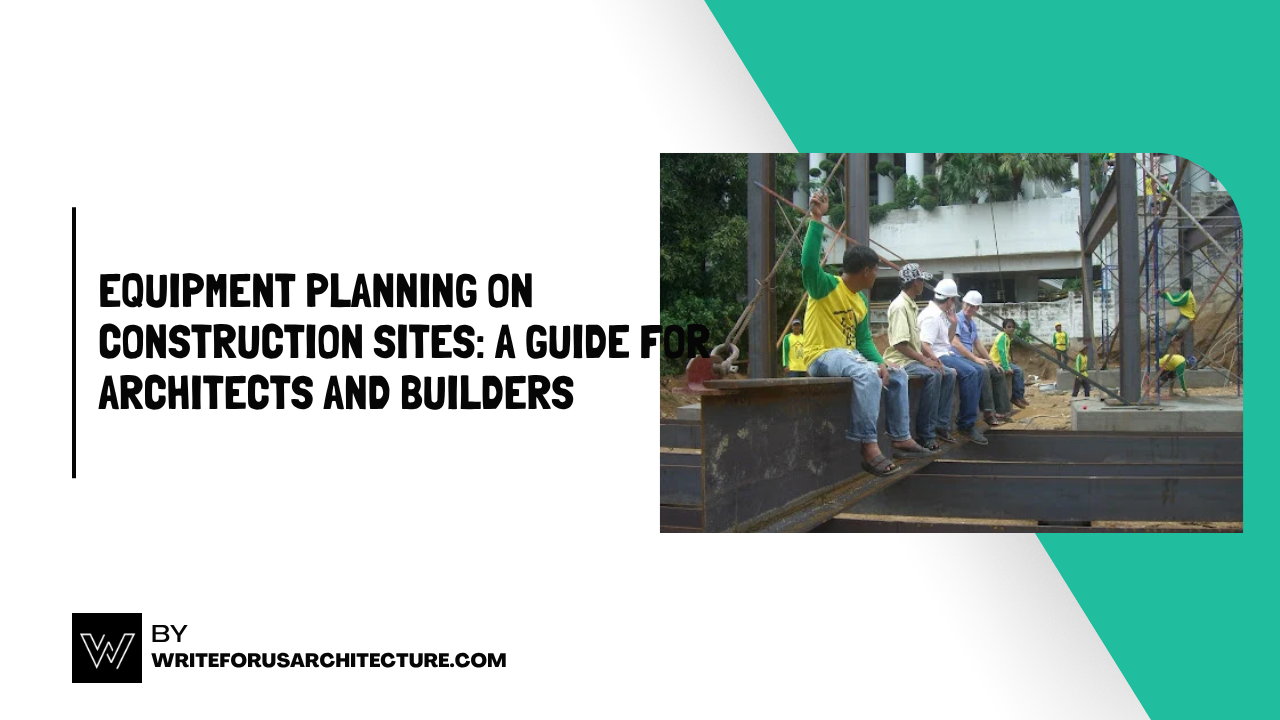
Architects spend months refining a design: form, materials, light, structure and how people will use the space. Yet the way a building is actually constructed depends heavily on something that rarely appears in design discussions: equipment. Cranes, hoists, excavators, access platforms, concrete pumps and dumpsters shape what is buildable, how fast it can be built and what it costs.
When architects and builders think about equipment early, projects run more smoothly. This guide explains why equipment planning matters and how design and construction teams can work together on it.
Why Equipment Matters to Design
Design decisions influence equipment needs in ways that are easy to overlook:
- Building height and footprint determine crane type, size and position.
- Material choices affect lifting requirements. Precast concrete panels need heavier cranes than timber frames.
- Site access and constraints limit which machines can reach the site.
- Facade systems determine whether scaffolding, mast climbers or boom lifts are needed.
- Excavation depth affects earthmoving equipment and shoring.
Designs that ignore these factors can lead to costly changes, delays or compromises during construction.
Early Collaboration Pays Off
Bringing contractors and equipment specialists into design discussions early, through design and build or early contractor involvement, helps identify constraints before they become problems. Questions to ask early include:
- Where can a tower crane be positioned, and what is its reach?
- How will materials be delivered and stored on a tight urban site?
- What access equipment is needed for facade installation?
- How will demolition and excavation waste be removed?
The Chartered Institute of Building (CIOB) promotes collaborative approaches to construction management that bring design and delivery teams together, improving buildability and reducing risk.
Major Equipment Categories on Building Projects
Earthworks and foundations
Excavators, dozers, piling rigs and dump trucks prepare the site and install foundations.
Lifting
Tower cranes, mobile cranes, telehandlers and hoists move materials and components.
Concrete
Concrete pumps, mixers and vibrators support structural work.
Access
Scaffolding, scissor lifts, boom lifts and mast climbers provide safe access at height.
Waste management
Dumpsters and skips remove demolition and construction waste.
Site support
Generators, lighting towers, welfare units and fencing keep the site running.
Waste and Dumpster Planning
Waste management is often an afterthought, but it affects site layout, logistics and cost. Placing dumpsters where they can be easily filled and collected reduces handling and improves safety. This guide to the benefits of using construction dumpster rentals for your building project explains how planned waste removal keeps sites cleaner, safer and more efficient.
Renting Versus Owning Equipment
Most construction equipment is rented rather than owned, especially by smaller contractors. Renting offers:
- Flexibility to match equipment to each project phase
- Access to modern, well-maintained machines
- Lower capital investment
- Maintenance handled by the rental company
For architects, understanding that equipment is typically rented and scheduled by phase helps when discussing programmes and costs with clients.
Scheduling Equipment Around the Programme
Equipment should be scheduled to match the construction programme:
- Identify equipment needs for each phase.
- Book long-lead items such as tower cranes early.
- Coordinate deliveries with site logistics plans.
- Off-hire equipment promptly when tasks are complete.
Rental companies increasingly use equipment scheduling software for rental fleets that lets contractors see what is on hire, request deliveries and confirm off-hires digitally. That visibility helps avoid paying for idle machines on site. Platforms such as Equipment Rental Software are designed for exactly this.
Safety and Design
Designers have responsibilities under construction safety regulations in many countries to eliminate or reduce risks through design. Equipment-related risks include:
- Lifting operations near occupied areas
- Work at height during facade installation
- Excavation near existing structures
- Vehicle movements on tight sites
Designing for safer construction, such as prefabricated components that reduce work at height, benefits everyone.
Sustainability Considerations
Equipment choices affect a project’s environmental footprint. Architects and builders can encourage:
- Electric or hybrid equipment on urban sites
- Efficient logistics to reduce deliveries
- Waste segregation and recycling
- Renting modern equipment with lower emissions
Tips for Architects
- Consider crane positions and site access during massing studies.
- Discuss material choices with contractors in terms of lifting and installation.
- Allow space in site layouts for storage, waste and equipment.
- Ask about equipment implications when reviewing value engineering proposals.
- Learn the basics of common construction equipment and its limitations.
Frequently Asked Questions
Why do condition photos matter?
Photos taken at check-out and check-in show exactly what state the equipment was in. They protect customers from unfair charges and protect the rental company when genuine damage occurs. Time-stamped photos stored against each booking are far more reliable than handwritten notes.
Does rental help with sustainability?
Rental keeps equipment in use for longer and reduces the number of items that are bought, used briefly and stored or thrown away. Well-maintained rental fleets also allow customers to access newer, more efficient models without each business buying its own.
What should a rental agreement include?
A clear agreement should cover the rental period, rates and deposits, who is responsible for damage and loss, permitted use, insurance requirements, late return charges, cancellation terms and the condition of the equipment at handover. Signed digital agreements with photos attached make disputes much easier to resolve.
Conclusion
Equipment planning is where design meets construction reality. By considering cranes, access, earthworks and waste early, and collaborating closely with builders and rental partners, architects can help deliver projects that are safer, faster and more cost-effective. Good buildings start with good designs, and good designs consider how they will be built.