
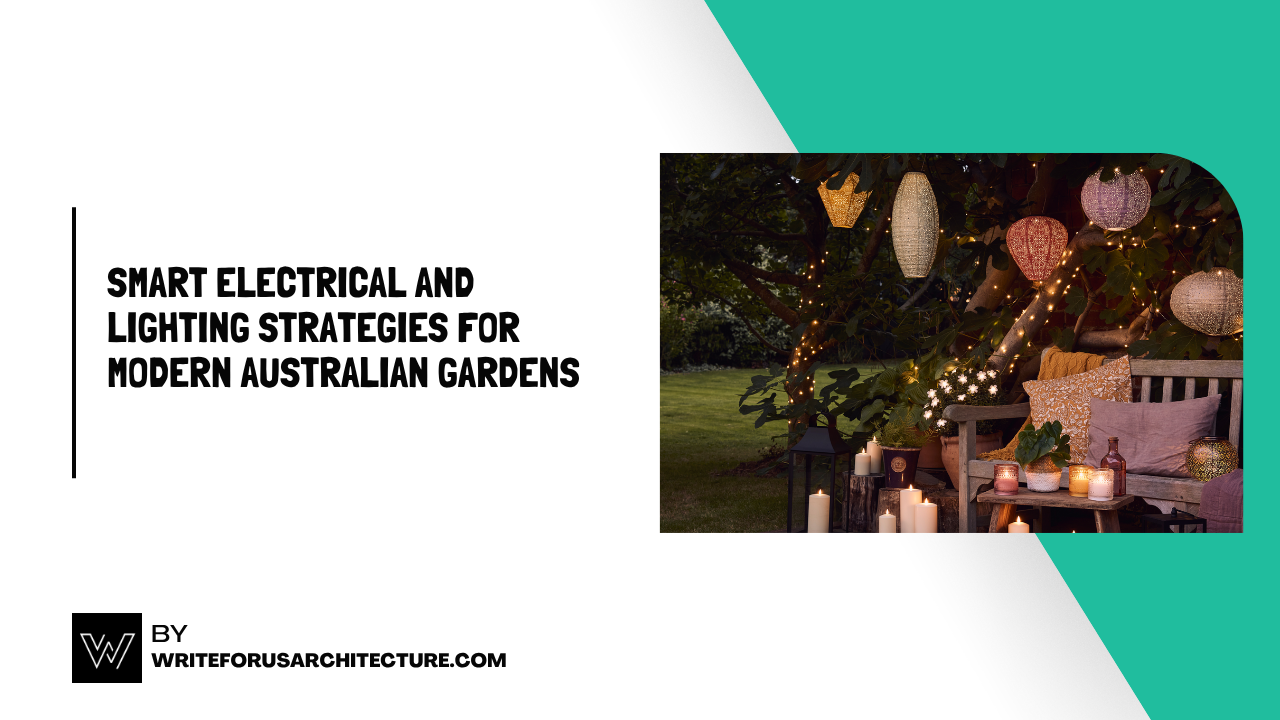
Australians have always loved outdoor living, but modern garden design has evolved well beyond a simple patio and a basic barbecue. The line between indoor and outdoor living is rapidly blurring, creating a seamless flow that enhances the Australian lifestyle. Today, homeowners are transforming their backyards into fully functional extensions of their living rooms, incorporating everything from outdoor home theatres to fully equipped alfresco kitchens. This shift requires more than just comfortable furniture and beautiful landscaping. Creating a truly modern outdoor space demands a well-thought-out electrical and lighting strategy. From automated ambient illumination to weatherproof power points for outdoor appliances, getting the technical side right is the absolute foundation of a successful garden renovation.
Mapping Out Your Outdoor Power Needs
The first step in any garden upgrade is planning your electrical layout long before the digging begins. Retrofitting cables under established lawns, retaining walls, or paved entertaining areas can be incredibly costly and highly disruptive. It is always best to identify exactly where you will need power for outdoor fridges, heating systems, water features, and entertainment setups early in the design phase. Creating a comprehensive map of your future electrical requirements ensures that no corner of your garden is left unpowered.
Because outdoor environments face harsh summer sun, heavy rain, and fluctuating temperatures, professional installation is absolutely non-negotiable. Consulting with experienced, licensed professionals like Florance Electrical is the best way to ensure your new outdoor electrical upgrades are safe, compliant, and built to withstand the rigorous Australian climate. Experts will ensure that your circuits can handle the required electrical load without tripping, and that all outdoor outlets feature the correct weatherproofing ratings to keep moisture and dust safely at bay. Attempting DIY electrical work in outdoor spaces is not only illegal in Australia but poses severe safety risks to your household.
Smart Lighting for Ambiance and Security
Lighting is arguably the most impactful element of any garden design. It dictates the mood of your outdoor space after sunset and significantly extends the usability of your patio or deck. Smart lighting systems now allow you to control the entire atmosphere of your backyard with a simple tap on your smartphone or through convenient voice commands. You can adjust brightness levels to suit an intimate family dinner or a vibrant weekend gathering.
To get the absolute most out of your garden lighting, consider these strategic approaches:
- Layered illumination: Combine bright task lighting around cooking and preparation areas with soft, ambient uplighting on established trees or architectural features.
- Automated scheduling: Set your garden lights to turn on automatically at dusk and turn off at dawn to improve overall energy efficiency and convenience.
- Zoning capabilities: Group specific lights together so you can easily illuminate the main dining area while keeping the nearby pool area safely and softly lit.
- Motion sensors: Integrate smart security lights that only trigger when movement is detected, saving power while simultaneously keeping your property secure against intruders.
Navigating Regulations and Light Pollution
While a beautifully lit garden is highly desirable, it is equally important to be a considerate neighbour. Excessive brightness can cause significant glare and light spill, which can disrupt the sleep of those living next door and negatively impact nocturnal local wildlife. Possums, bats, and various native bird species rely on the darkness to hunt and navigate, meaning overly bright yards can disturb local ecosystems.
When designing your garden lighting, you must keep regulatory guidelines firmly in mind. According to Dark Sky Tasmania, Australian outdoor lighting is guided by the AS/NZS 4282:2019 standards which place strict limits on how much light can fall on residential windows during pre-curfew and post-curfew hours. By selecting fixtures that direct light downwards rather than outwards and using warm-toned LED bulbs, you can create a stunning visual effect in your yard while remaining fully compliant with these important environmental and community guidelines.
Integrating Sustainable and Energy-Efficient Choices
Energy efficiency is a major consideration for modern Australian households looking to reduce their environmental footprint. Integrating solar-powered systems into your landscape design is a fantastic way to offset the running costs of outdoor entertainment areas. Solar path lights, garden spotlights, and even solar-powered water features have advanced significantly in recent years, offering reliable performance throughout the night without adding a single cent to your quarterly electricity bill.
For hardwired systems, upgrading to low-voltage LED lighting is highly recommended by industry professionals. LEDs consume a fraction of the electricity used by traditional halogen bulbs and boast a significantly longer lifespan, meaning fewer replacements over time. Pairing these energy-efficient fixtures with smart timers and dimmers ensures that your garden is only illuminated exactly when needed, further reducing unnecessary energy consumption and helping you build a greener home.
Securing Your Outdoor Sanctuary
A well-executed electrical and lighting plan is the invisible framework that makes a modern Australian garden truly spectacular. By mapping out your power requirements early in the renovation process, investing in advanced smart technologies, and adhering to local lighting standards, you can easily create an outdoor sanctuary that is safe, sustainable, and ready to be enjoyed all year round.