
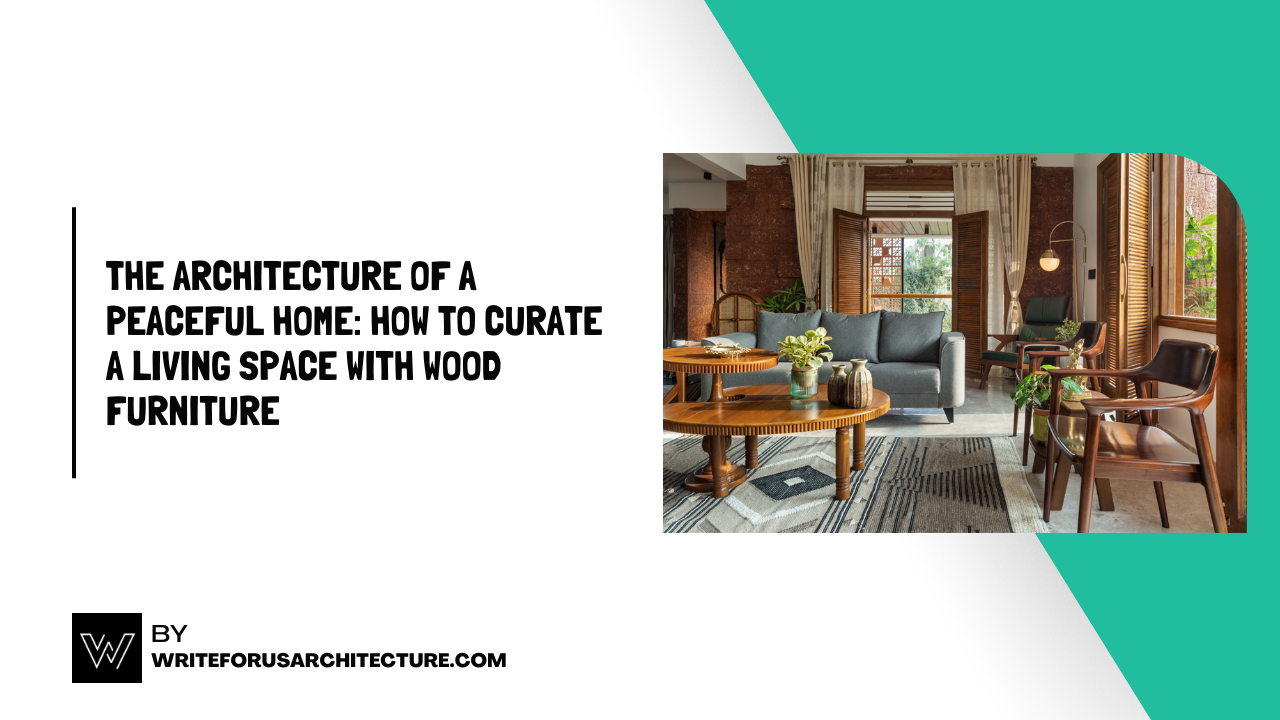
In the frantic, digital-first landscape of 2026, our homes have taken on a weightier significance. They are no longer just places where we sleep; they are the sanctuaries where we recover from “screen fatigue” and the high-speed demands of modern professional life. As we seek to create environments that foster both focus and relaxation, a clear trend has emerged in interior design: a return to material honesty.
While synthetic materials and “fast furniture” offered a temporary solution for the mobile generation, the long-term cost—both environmental and physical—has become impossible to ignore. Today, the most intentional homes are being built around the enduring strength of timber. This guide explores how to strategically integrate high-quality wood pieces into your home to create a space that feels grounded, sophisticated, and timeless.
The Foundation: Identifying the Best Wood Furniture
When we talk about “quality” in a furniture context, we are really talking about the integrity of the material and the method of its construction. In a market saturated with “wood-look” veneers and compressed particle boards, finding the best wood furniture requires a discerning eye.
Why Solid Timber Outlasts the Trends
Unlike composite materials that rely on glues and resins to hold their shape, solid timber is a monolithic material. It possesses a structural density that allows it to bear significant weight without sagging over time. More importantly, it is a “living” asset. Solid wood reacts to its environment, developing a unique patina that tells the story of the home.
For residents in Singapore, the choice of wood is particularly important due to our humidity levels. Opting for kiln-dried hardwoods such as Ash, Oak, Walnut, or Cherry is essential. This process pre-stabilizes the wood, preventing the warping or cracking that often plagues lower-quality imports. When you invest in quality wood furniture, you are moving away from the “disposable” culture and toward a “legacy” mindset, where pieces are intended to last for decades, not just seasons.
Anchoring the Living Room: The Wood TV Console
The living room is often the most difficult space to design because it must balance two opposing forces: high-tech entertainment and low-tech relaxation. The television, with its black screen and tangled cables, can easily disrupt the “Zen” of a room.
A wood TV console acts as the essential bridge between these two worlds. By utilizing a natural material like solid timber to house your electronics, you “warm up” the technology. The organic grain of the wood provides a visual counterpoint to the sleek, cold surface of the screen.
Design Principles for Media Storage:
- Visual Quiet: Look for consoles that offer hidden storage—slatted doors or soft-close drawers. This allows you to tuck away gaming consoles, remote controls, and cables, maintaining a minimalist aesthetic.
- Proportional Balance: A console should ideally be wider than the TV it supports. This prevents the setup from looking “top-heavy” and provides extra surface area for a curated lamp or a small indoor plant, further softening the tech-heavy zone.
- Tactile Quality: Because the TV console is often a focal point, the finish matters. A matte, natural oil finish allows the wood’s texture to shine through, contributing to a rustic-minimalist vibe that feels premium rather than “shiny” and artificial.
The Productive Corner: Choosing the Right Study Chair
With the normalization of remote work and home-based learning, the “study nook” has become a permanent fixture in the modern home. However, many homeowners make the mistake of choosing a chair based solely on corporate ergonomics or, conversely, purely on style.
A solid wood study chair offers a unique middle ground. While people often associate wood with rigidity, a masterfully crafted timber chair is a lesson in “hidden ergonomics.” Through techniques like steam-bending and precision carving, wood can be shaped to follow the natural S-curve of the human spine.
Why Choose Timber for Your Study?
- Mental Clarity: There is a psychological benefit to touching natural materials. The “warmth” of a wooden chair is proven to lower cortisol levels compared to plastic or metal.
- Breathability: Unlike thick, padded executive chairs that trap heat, a spindle-back or slatted study chair allows for maximum airflow—a vital feature for anyone working in Singapore’s tropical climate without 24/7 air conditioning.
- Compact Sophistication: Most ergonomic office chairs are bulky and visually dominate a room. A solid wood chair provides the necessary support while maintaining a slim, minimalist profile that doesn’t scream “office” when the workday is over.
Curating the “Japandi” Aesthetic in Singapore
The most successful interiors in 2026 often follow the “Japandi” philosophy—a fusion of Japanese intentionality and Scandinavian functionality. This style relies heavily on the best wood furniture to create a sense of harmony.
In a Japandi home, every piece must serve a purpose. You don’t buy a chair just to fill a corner; you buy a study chair that can also act as an accent piece in the living room when guests arrive. You don’t buy a cabinet just for storage; you buy a wood TV console that anchors your entire entertainment zone with its craftsmanship.
Maintenance: Caring for Your Timber Investment
One of the greatest advantages of solid wood is that it is fundamentally “forgiving.” While a scratch on a laminate surface is a permanent eyesore, wood can be cared for and restored.
- Dusting and Cleaning: Use a damp (not wet) microfiber cloth. Avoid harsh chemical cleaners that can strip the natural oils from the wood.
- Hydration: Every six months, consider applying a light layer of high-quality wood wax or oil. This keeps the fibers flexible and prevents the wood from drying out in air-conditioned environments.
- Sun Protection: While wood loves natural light, prolonged direct exposure to Singapore’s harsh midday sun can cause fading. Position your wood TV console or study Chair slightly away from unshaded windows to preserve the richness of the grain.
The Long-Term Value of Quality
When we analyze the “cost per year of use,” the best wood furniture is actually the most economical choice. A $200 particle-board desk might last two years before it begins to sag or peel, resulting in a cost of $100 per year. A $1,000 solid wood set might last 50 years, bringing the cost down to just $20 per year.
Beyond the finances, there is the emotional value. There is a sense of pride that comes from owning a home filled with “real” things. A solid timber chair isn’t just a place to sit; it’s a piece of the natural world that you’ve invited into your living space.
Building Your Sanctuary
Creating a home that supports your well-being requires a shift in perspective. It’s about moving away from the “instant gratification” of flat-pack trends and moving toward the enduring beauty of solid timber.
By strategically choosing a Wood TV Console that clears your visual clutter, a Study Chair that supports your physical health, and the best wood furniture that reflects your personal style, you are building more than just an interior. You are building a sanctuary that will serve you, and your family, for a lifetime.