
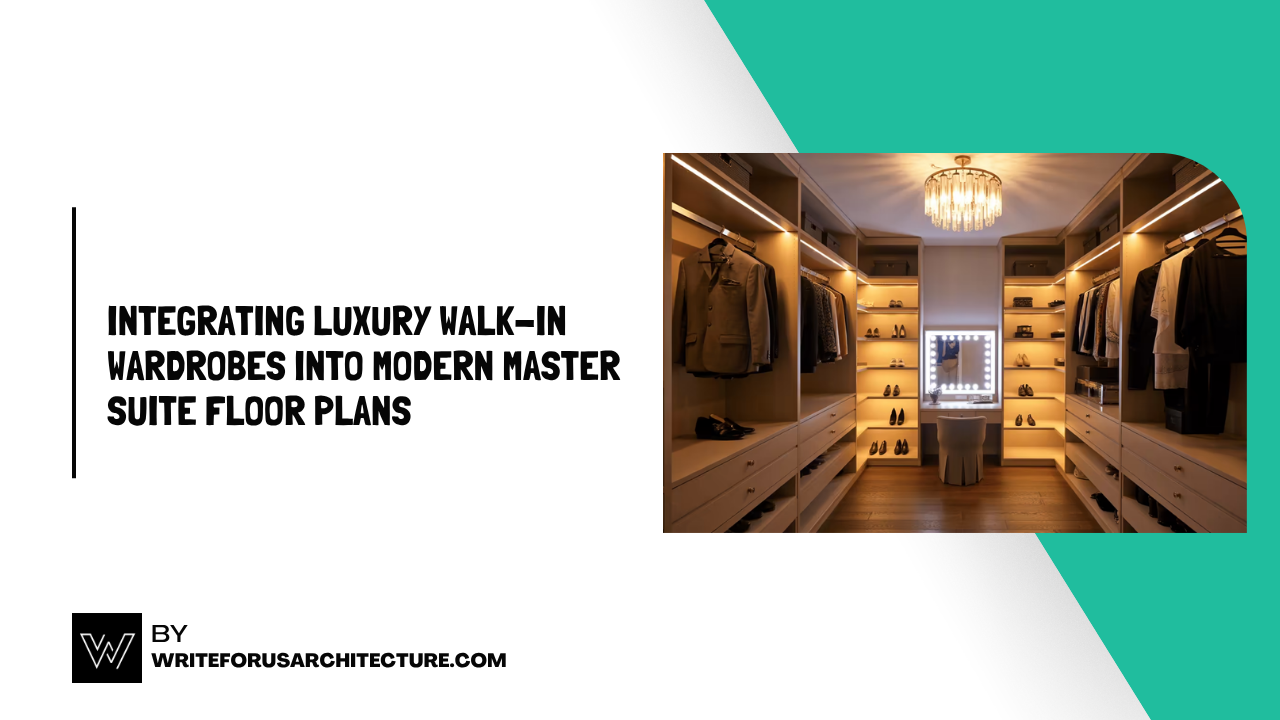
The modern master suite is no longer just a place to sleep. It has evolved into a comprehensive private sanctuary that blends relaxation with highly functional residential design. A significant part of this evolution involves rethinking how we approach storage in our homes. Rather than treating closets as an afterthought tucked behind a standard door, contemporary floor plans are embracing dedicated dressing zones. Integrating luxury walk in wardrobes into a master bedroom requires precise architectural planning. This approach ensures that the transition between the sleeping area, the ensuite bathroom, and the dressing space feels entirely seamless. A dedicated wardrobe elevates the daily experience, turning the simple act of getting dressed into a refined ritual.
The Architecture of Spatial Planning
When designing a master suite, spatial planning is the foundation of a successful layout. A well-designed wardrobe space requires significantly more than just available floor area. It demands a thoughtful analysis of traffic flow, spatial proportions, and daily routines. Architects and interior designers typically place the dressing zone as a transitional corridor between the bedroom and the bathroom. This specific layout keeps wet areas separated from sleeping zones while providing a dedicated, private space for morning routines.
To achieve this optimal flow, structural considerations must be finalised early in the drafting phase. Elements like cavity sliding doors, strategically placed stud walls, and reinforced flooring for heavy custom joinery cannot be retrofitted easily. Furthermore, maintaining standard architectural clearances is essential. Designers generally recommend a minimum walkway width of 900 millimetres between cabinetry rows to ensure the space feels expansive rather than cramped. Natural light is also a critical factor to incorporate during the planning stage. Integrating skylights or frosted transom windows can illuminate the space naturally without compromising privacy or exposing delicate fabrics to direct ultraviolet rays. Proper spatial allocation also ensures that homeowners have enough room to dress comfortably without feeling confined by the surrounding cabinetry.
Material Selection and Structural Longevity
The materials chosen for a master suite upgrade dictate both its long-term durability and its emotional resonance within the home. Custom cabinetry is a permanent structural addition, meaning the finishes must align perfectly with the broader interior architecture of the property. Opting for high-quality, solid timber joinery ensures structural longevity and helps to create a deeply grounded, sophisticated environment. Just as cohesive design allows outdoor living spaces to expand the home beyond its walls, continuing the home’s architectural language into the closet ensures the wardrobe feels like a natural extension of the primary suite.
Material honesty is vital in these intimate residential spaces. Natural timber outlasts fleeting synthetic trends, providing a tactile warmth that engineered or laminate alternatives often lack. When matched with premium architectural hardware cast from solid brass or brushed nickel, timber cabinetry transforms a purely functional storage zone into a striking architectural feature of the room. The psychological benefits of being surrounded by natural materials also contribute to the calming atmosphere expected in a modern master suite. By selecting durable elements, homeowners minimise future maintenance and elevate the overall aesthetic standard.
Essential Design Elements for Premium Storage
Successfully integrating an upscale wardrobe into a residential floor plan relies on specific structural and design inclusions. Architects recommend incorporating several key elements to maximise both utility and aesthetic appeal:
- Layered Lighting Systems: Combining ambient overhead lighting with task-oriented LED strips integrated directly into the cabinetry ensures the space is both atmospheric and highly practical for daily use.
- Spatial Zoning: Dividing the floor plan into distinct, purpose-built zones for hanging garments, folded items, and accessories prevents visual clutter and maintains architectural order.
- Custom Joinery Features: Incorporating built-in seating, central island counters with soft-close drawers, and floor-to-ceiling shelving maximises vertical space and provides a high-end boutique experience.
- Climate Control Integration: Proper ventilation and active humidity control are essential architectural considerations, especially when the dressing space is situated adjacent to a steamy ensuite bathroom.
Return on Investment in Residential Upgrades
Beyond the immediate lifestyle benefits and aesthetic improvements, structurally enhancing a master suite has a tangible impact on a property’s market value. Expanding a residential footprint to include high-end dressing and bathing quarters is a major structural project, but it is one that prospective buyers consistently look for in the premium real estate market.
According to the Remodeling Impact Report by the National Association of Realtors, a master suite addition recoups roughly 53 percent of its cost at resale, with national average job costs representing a substantial but worthwhile structural investment. While upscale additions may present a slightly different return rate, the intrinsic architectural value of a well-organised, structurally sound master suite cannot be overstated. Buyers place a premium on homes that solve storage challenges elegantly and permanently. Real estate experts note that homes featuring these sophisticated upgrades often spend less time on the market, attracting buyers who appreciate high-end, move-in-ready convenience.
The Lasting Value of Purposeful Design
Ultimately, integrating bespoke storage solutions into a master suite is an exercise in thoughtful residential design. By prioritising intelligent spatial flow, honest building materials, and precise lighting plans, homeowners can significantly elevate their daily routines. A meticulously planned dressing space not only adds structural and financial value to the property but also reinforces the sense of sanctuary that every modern Australian home requires.