
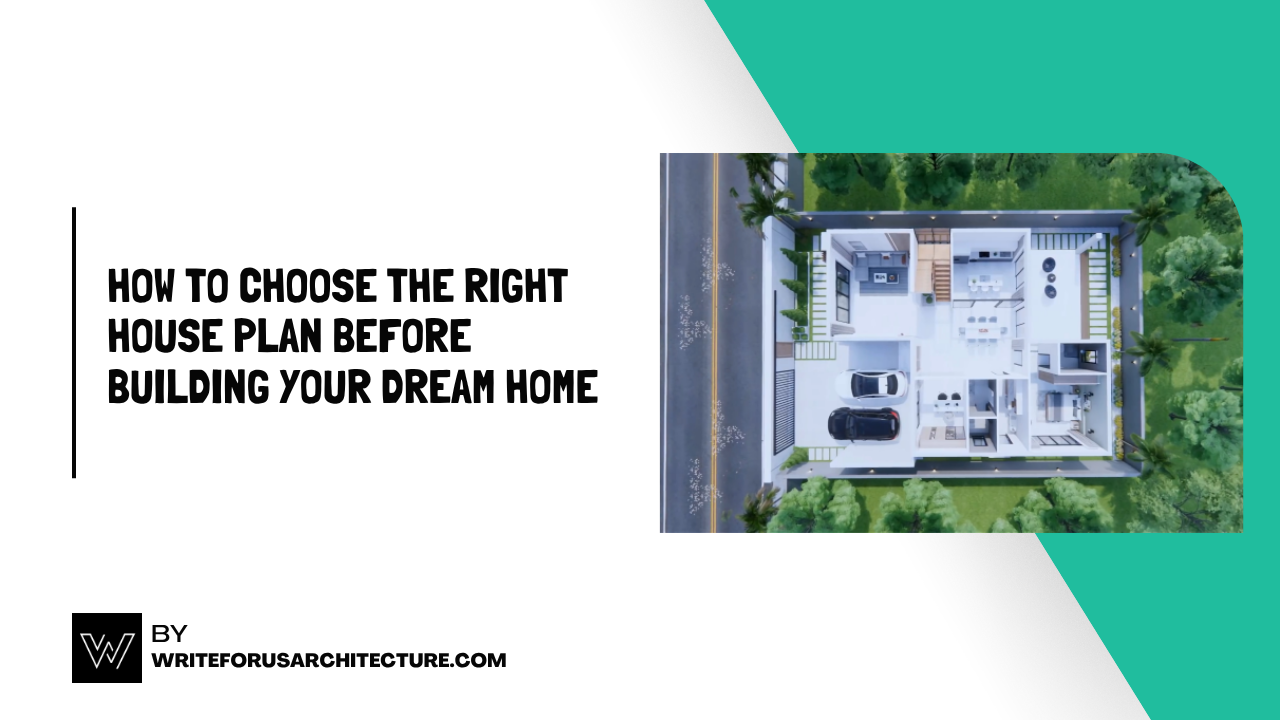
Choosing the right house plan is one of the most important decisions a homeowner makes before building a new home. A house plan is not just a drawing or a collection of rooms. It affects daily comfort, construction cost, natural light, storage, privacy, resale value, and how well the home fits the land.
Many people start by looking at exterior photos or choosing a style they like. That is a good beginning, but it is not enough. A beautiful home can still be difficult to live in if the layout does not match the family’s lifestyle, budget, or lot conditions.
Before speaking with a builder or starting construction, it is worth taking time to compare different layouts and understand what makes a house plan practical.
Start With Your Lifestyle
The best house plan should support the way you actually live. A family with young children may need bedrooms close together, a large laundry area, and an open kitchen connected to the living room. A couple working from home may need a quiet office, strong natural light, and separation between work and living spaces.
Someone planning to age in place may prefer a single-story layout, wider hallways, fewer stairs, and a primary bedroom on the main floor. A homeowner who entertains often may prefer an open concept kitchen, dining area, outdoor porch, and guest-friendly bathroom placement.
Before choosing a plan, ask yourself how the home will be used every day. The right plan should feel comfortable not only when it looks nice on paper, but also when you imagine living in it for many years.
Think About Lot Size and Shape
A house plan must fit the land. This sounds simple, but many homeowners fall in love with a plan before checking whether it works with their lot.
Important lot factors include:
- Lot width and depth
- Setback requirements
- Slope or elevation changes
- Driveway access
- Sun direction
- Privacy from neighbors
- Views
- Garage placement
- Local zoning rules
A wide ranch plan may not work on a narrow lot. A deep two-story plan may be better for compact land. A sloped lot may require a basement, crawl space, or special foundation. If the plan does not match the land, construction can become more expensive and complicated.
Choose the Right Square Footage
Bigger is not always better. More square footage usually means higher construction costs, higher heating and cooling costs, more maintenance, and higher property taxes.
Instead of choosing the largest plan possible, focus on efficient space. A well-designed 1,800 square foot home can feel more comfortable than a poorly planned 2,400 square foot home.
Look for useful spaces rather than wasted areas. Long hallways, oversized formal rooms, and awkward corners can add cost without improving daily life. A smart layout uses space for storage, circulation, natural light, and flexible living.
Compare Floor Plan Layouts Carefully
When reviewing house plans, do not only look at the exterior style. Study the floor plan closely.
Pay attention to:
- Bedroom locations
- Bathroom access
- Kitchen workflow
- Laundry room placement
- Storage space
- Garage access
- Mudroom location
- Natural light
- Porch or patio connection
- Privacy between rooms
A good plan should have a natural flow. The kitchen, dining, and living areas should feel connected if the home is designed for family living. Bedrooms should have enough privacy. Bathrooms should be located conveniently. Storage should be available where it is needed most.
If the layout feels confusing on paper, it may feel even more frustrating once built.
Match the Plan to Your Budget
A house plan has a direct impact on construction cost. Two homes with the same square footage can cost very different amounts to build depending on design complexity.
Features that can increase cost include:
- Complex rooflines
- Large spans
- Multiple corners and bump-outs
- High ceilings
- Large windows
- Custom structural details
- Premium exterior materials
- Basements
- Large garages
- Covered porches
A simple rectangular plan is usually more affordable to build than a highly complex shape. A clean roof design can also help reduce cost. This does not mean the home must look boring. It means the design should balance beauty with buildability.
Before choosing a plan, homeowners should compare different house plans and consider how size, layout, garage type, and architectural style may affect the total building budget. You can browse house plans before building here: https://www.costtobuildhouse.com/plans
Consider Future Needs
A house should work for today, but it should also make sense for the future.
Think about whether your family may grow, whether you may need a home office later, whether aging parents may visit often, or whether you may want to sell the home in the future.
Flexible spaces are valuable. A bonus room, flex room, loft, or extra bedroom can serve different purposes over time. It can become an office, guest room, playroom, gym, or hobby space.
A plan with flexible rooms often has stronger long-term value than a plan designed too narrowly for one specific moment in life.
Do Not Ignore Storage
Storage is one of the most commonly overlooked parts of house planning. A home can look beautiful but feel cluttered if there is not enough storage.
Look for:
- Bedroom closets
- Linen closets
- Pantry space
- Garage storage
- Laundry storage
- Mudroom cabinets
- Bathroom storage
- Attic or basement storage if available
A good plan should include storage near the places where items are used. For example, a pantry near the kitchen, coat storage near the entry, and laundry storage near bedrooms can make daily life easier.
Think About Natural Light
Natural light can change how a home feels. A plan with good window placement can feel larger, warmer, and more inviting.
When reviewing a plan, think about where the sun rises and sets on your lot. Consider which rooms should receive morning light and which spaces need protection from harsh afternoon sun.
Large windows can be beautiful, but they should be placed carefully. Too much glass in the wrong direction can create heat gain, glare, or privacy issues. The best plans balance light, comfort, energy efficiency, and views.
Review Garage Placement
Garage placement affects both the appearance and function of a home. A front-facing garage may be convenient and affordable, but it can dominate the exterior if not designed well. A side-entry garage may look more elegant but usually needs a wider lot and more driveway space.
Also consider how you enter the home from the garage. Many families prefer a mudroom or drop zone between the garage and kitchen. This helps manage shoes, bags, coats, groceries, and daily clutter.
If the garage is too far from the kitchen, carrying groceries can become inconvenient. If there is no transition space, the entry area can quickly become messy.
Choose an Exterior Style That Fits the Location
Exterior style matters, but it should fit the neighborhood, climate, and personal taste.
Popular house styles include:
- Modern farmhouse
- Ranch
- Craftsman
- Barndominium
- Cottage
- Traditional
- Modern
- Mediterranean
- Coastal
- Cabin or A-frame
A coastal design may look natural near the beach but less appropriate in a cold mountain region. A modern farmhouse may fit rural or suburban areas well. A ranch plan may be ideal for homeowners who want single-story living.
The best style is one that feels personal while still working with the surroundings.
Check Buildability Before Falling in Love
Some plans look impressive online but may be expensive or difficult to build. Before committing, it is smart to have a builder, architect, or local professional review the plan.
They can help identify:
- Structural complexity
- Local code issues
- Foundation requirements
- Roofing complexity
- Material availability
- Climate-related adjustments
- Permit concerns
- Estimated build cost
- This step can prevent expensive surprises later.
Final Thoughts
Choosing the right house plan is not about finding the biggest or most beautiful design. It is about finding a plan that fits your lifestyle, land, budget, and future needs.
A strong house plan should feel practical, comfortable, and realistic to build. It should have the right number of rooms, efficient square footage, good natural light, useful storage, and a layout that supports everyday living.
Before building your dream home, take time to compare different options carefully. The plan you choose will shape not only the construction process, but also the way you live in the home for years to come.
