
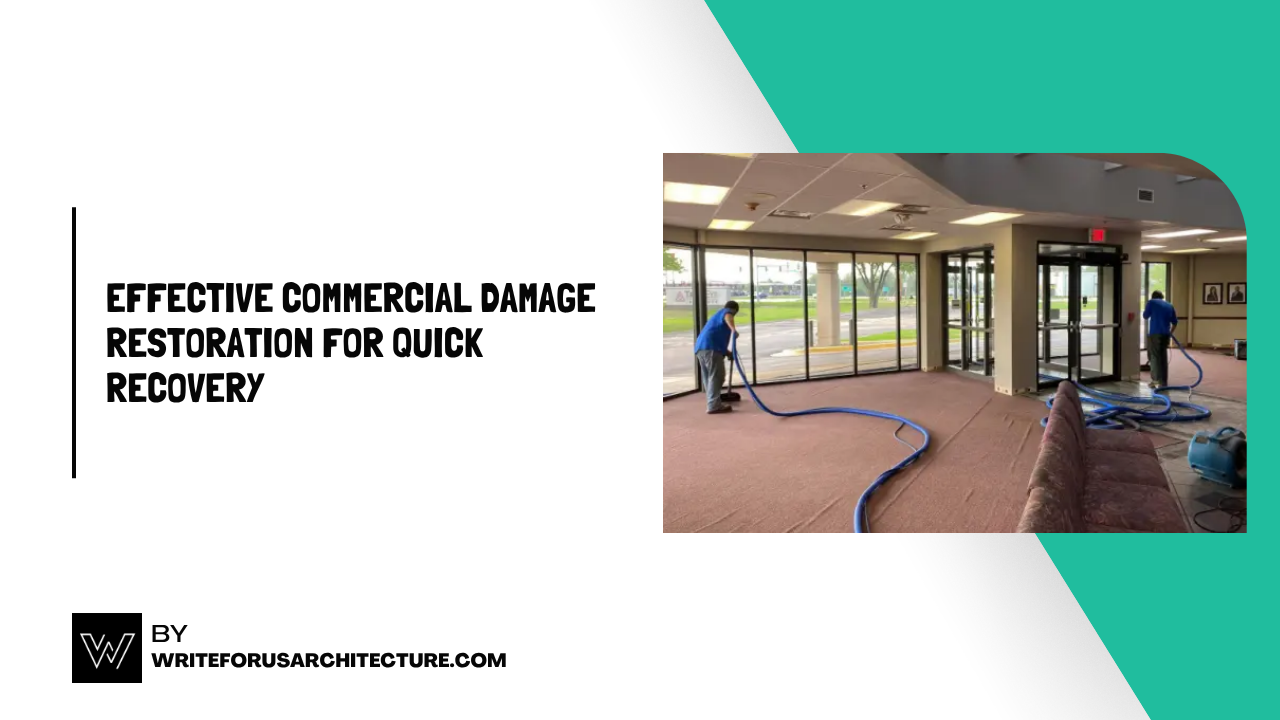
When a disaster strikes, whether it’s a fire, flood, or storm, commercial damage restoration becomes essential to restoring your business. This comprehensive guide will explain the commercial damage restoration process and why it’s crucial for your business to recover quickly, minimize downtime, and ensure your property is safe and secure.
What is Commercial Damage Restoration?
Commercial damage restoration refers to the process of cleaning, repairing, and restoring a business property that has been damaged by a disaster or unexpected event. This could be caused by fires, floods, storms, vandalism, or other accidents. Restoration involves repairing structural damage, restoring essential systems, cleaning up hazardous materials, and ensuring the business property is returned to its operational state as efficiently as possible.
Key Steps in the Commercial Damage Restoration Process
Understanding the restoration process is vital for business owners who want to ensure minimal disruption to their operations. Below are the key steps involved in commercial damage restoration:
- Damage Assessment:
The first step is a thorough damage assessment. Restoration professionals assess the extent of the damage to the property, including both visible and hidden damages. This includes checking the structure, electrical systems, plumbing, and HVAC systems to determine how much work is required. - Securing the Property:
After assessing the damage, the next step is to secure the property. This can involve boarding up windows, placing tarps over the roof, and taking other precautionary measures to prevent further damage from the elements. - Water Extraction and Drying:
If the damage is due to water, such as flooding or leaks, water extraction is essential to prevent further damage. Water extraction machines are used to remove excess water from the affected areas. The restoration team will also deploy industrial dryers and dehumidifiers to ensure proper drying and prevent mold growth. - Cleaning and Sanitization:
After water or fire damage, cleaning and sanitization are crucial steps. Restoration professionals remove debris, soot, and water, and then thoroughly clean and disinfect the property. This ensures that harmful bacteria and mold do not spread, keeping the environment safe for employees and customers. - Structural Repairs and Restoration:
Structural repairs are the next phase, where damaged walls, roofs, ceilings, and floors are repaired or replaced. Restoration specialists may need to rebuild certain sections of the property to restore its integrity. - Restoring Business Operations:
The final step is the restoration of business operations. This includes repairing electrical systems, ensuring that equipment is functioning properly, and addressing any other issues that would prevent the business from operating normally.
Why Commercial Damage Restoration Is Important
After a disaster, commercial damage restoration is vital for several reasons. It not only helps to recover your business’s assets but also protects your brand, reputation, and the safety of your employees and customers. Here are a few reasons why the restoration process is so important:
1. Minimizing Downtime for Your Business
Time is money, and the longer a business remains closed, the more revenue it loses. Commercial damage restoration aims to reduce the amount of time your business is closed by working quickly to assess and repair the damage. A quick recovery helps get the business back up and running with minimal disruption, ensuring you don’t lose customers or face revenue loss.
2. Preserving Your Property and Assets
In addition to structural repairs, commercial damage restoration includes salvaging equipment, inventory, and other business assets. Restoration specialists use state-of-the-art equipment and techniques to clean and restore these items. Preserving valuable assets helps minimize the need for costly replacements and ensures your business continues to function without significant financial setbacks.
3. Preventing Health and Safety Hazards
Disasters like floods or fires can leave behind harmful toxins, bacteria, and mold. Restoration teams work to clean, disinfect, and remove hazardous materials to ensure the safety of your employees and customers. By addressing these issues, you create a safer environment for everyone who enters your business.
Why Hire a Professional Commercial Damage Restoration Company?
You might be tempted to handle the restoration process yourself or hire a general contractor. However, there are many reasons why it’s crucial to hire a professional commercial damage restoration company. Here’s why:
1. Specialized Equipment and Expertise
Restoration companies have the proper tools, equipment, and knowledge to handle complex restoration tasks. They can effectively basement flood cleanup water, smoke, and mold, and repair structural damage using industry-standard methods. Their specialized equipment ensures that the job is done right the first time, reducing the risk of recurring damage.
2. Insurance Claims Assistance
Most businesses have insurance coverage for damages, but navigating the claims process can be difficult. Restoration professionals often have experience working with insurance companies and can help streamline the process. They can provide documentation, reports, and assessments needed to ensure you get the proper compensation for the damage.
3. Speed and Efficiency
Time is of the essence when it comes to restoring a business. Restoration experts have a fast response time and are prepared to handle emergencies 24/7. Their efficient approach helps minimize downtime, get your business back in operation quickly, and save you money in the long run.
Conclusion
Commercial damage restoration is a critical service that helps businesses recover from unexpected events. Whether it’s fire, water, or storm damage, acting quickly and hiring professionals ensures that your business can recover in the least amount of time and cost. The restoration process not only protects your assets but also ensures that your property remains safe and conducive for both employees and customers.