
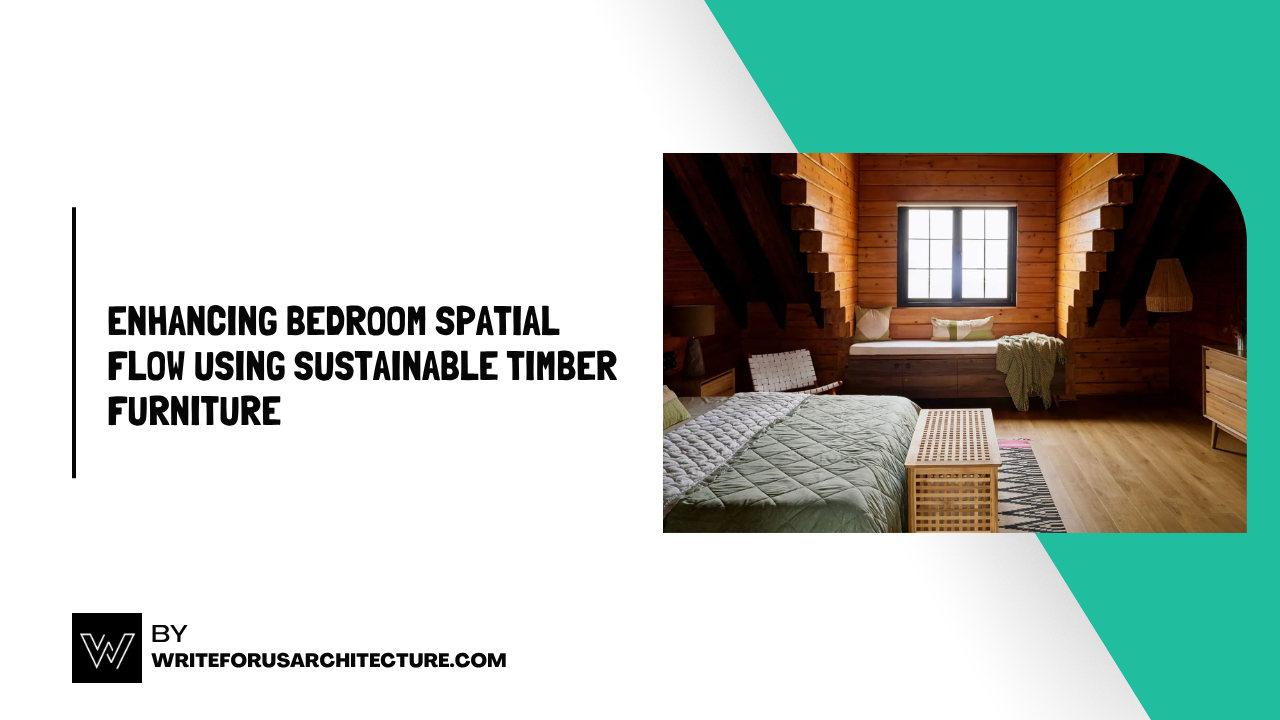
The modern bedroom is more than just a place to sleep. It is a personal sanctuary that requires careful spatial planning and thoughtful material selection. When interior architecture prioritises natural elements, the entire atmosphere shifts towards calm and restoration. Much like the principles behind expanding your home beyond the walls to embrace natural surroundings, integrating solid timber directly into your bedroom introduces a grounding texture that counteracts the high-speed demands of modern life. By focusing on sustainable timber and intelligent layout strategies, homeowners can create a restful environment that feels both expansive and deeply connected to nature.
Maximising Space with Vertical Storage
Spatial flow is heavily dependent on how floor space is managed. In many residential designs, bulky furniture can create visual weight and physical bottlenecks, making a room feel cramped and chaotic. The solution lies in vertical storage, a principle often used in high-density architecture to maximise limited footprints. Elevating storage draws the eye upward and preserves crucial walking paths around the bed.
For example, introducing a tasmanian oak tallboy provides substantial storage capacity while maintaining a pleasantly narrow footprint. Tasmanian oak is an exceptional native Australian timber known for its durability, pale blonde tones, and beautiful, consistent grain. This native hardwood thrives in a variety of interior styles, ranging from contemporary minimalist apartments to classic heritage homes. Using a vertically oriented piece crafted from this sustainable hardwood not only clears away floor clutter but also serves as an elegant architectural anchor in the room. By condensing your storage upwards, you maintain open floor space, which is absolutely essential for a tranquil, breathable bedroom environment.
The Psychological Impact of Biophilic Design
At the core of restorative interior architecture is biophilia, which is the inherent human inclination to connect with nature. Incorporating organic materials into the bedroom is not merely an aesthetic choice. It fundamentally alters how our bodies respond to the interior space. Research into biophilic design demonstrates that integrating natural textures has tangible health benefits. According to a recent academic article on the wellness impacts of modern woodworking, being in a space with wood products and surfaces lowers blood pressure while simultaneously activating the calming parasympathetic nervous system.
This physiological response highlights exactly why sustainable timber is the ideal foundation for bedroom furnishings. The subtle grain patterns, warm tones, and tactile qualities of wood actively lower stress levels, making it easier to unwind at the end of the day. Furthermore, timber acts as a natural insulator, adding acoustic and thermal warmth that synthetic materials simply cannot replicate.
Strategies for a Harmonious Bedroom Layout
Achieving the perfect balance between functionality and spatial flow requires intentional placement. Even the most beautifully crafted sustainable timber pieces must be positioned correctly to facilitate a sense of ease. When mapping out your bedroom layout, consider these foundational spatial strategies to optimise your daily experience:
- Establish Clear Pathways: Ensure there is at least 60 to 90 centimetres of uninterrupted walking space around the bed and major furniture pieces. This prevents the room from feeling restrictive and allows for comfortable movement.
- Balance Visual Weight: If you have a tall, solid timber piece on one side of the room, balance it with a floor mirror, a tall indoor plant, or a window on the opposite side to maintain symmetry.
- Prioritise Natural Light: Position your wooden furniture where it can catch the gentle morning light. The sun highlights the natural grain of native timbers, enhancing the inherent warmth of the room.
- Embrace Negative Space: Avoid the temptation to fill every corner with decor. Leaving empty areas allows the architecture of the room to breathe and highlights the premium materials you have chosen to feature.
Designing for the Future
Designing a restorative bedroom is ultimately an exercise in restraint and intention. By embracing the principles of biophilic design and selecting sustainable materials, you lay the groundwork for a healthier, more peaceful home. Careful attention to spatial flow ensures that the room remains highly functional without ever feeling overwhelming. Utilising vertical storage solutions crafted from native hardwoods ensures that your daily routines are supported by intelligent design, proving that practical functionality and architectural beauty can coexist seamlessly. Ultimately, a well-planned bedroom respects both the environment and the individual, offering a daily retreat that looks as good as it feels. As architectural trends evolve, the integration of natural materials and thoughtful planning will remain the standard for residential design.