
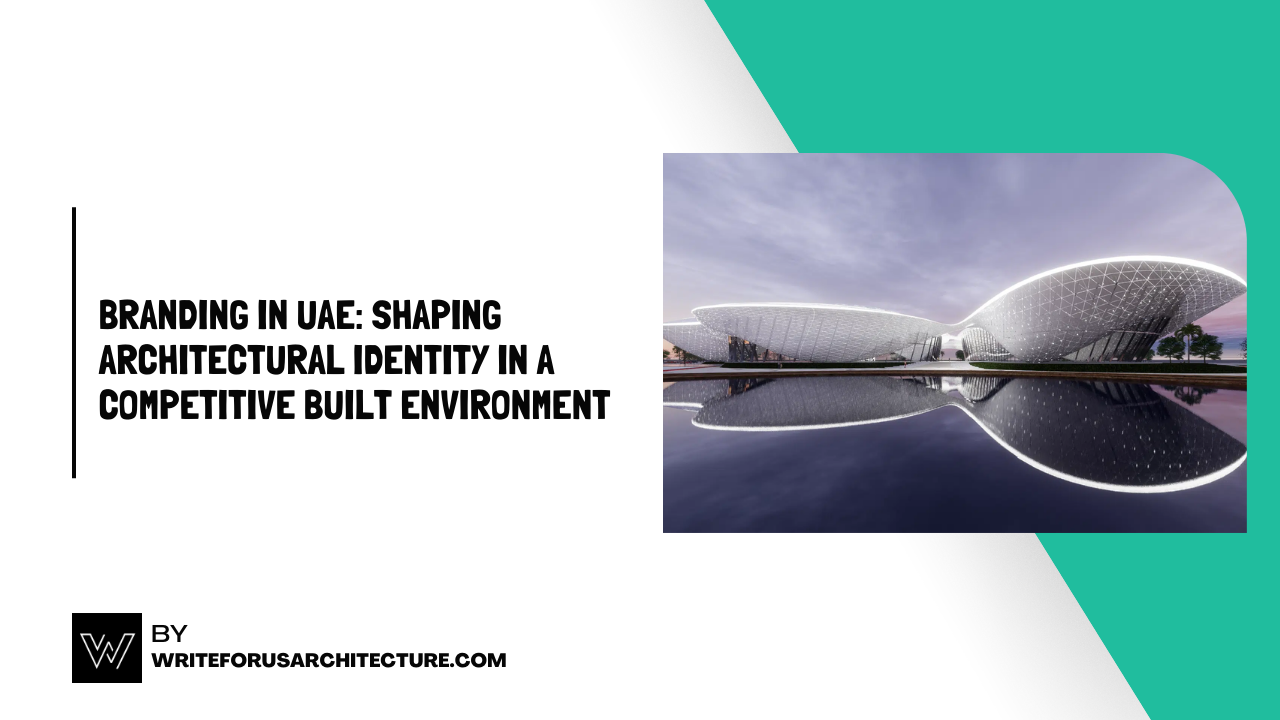
Architecture has always been a reflection of identity — cultural, corporate, and urban. In rapidly developing markets such as the United Arab Emirates, architecture does more than define skylines; it communicates ambition, innovation, and strategic positioning. The growing importance of Branding in UAE highlights how architectural firms, developers, and design studios are aligning visual identity with the environments they create.
In a region known for iconic skyscrapers, luxury residential projects, and visionary masterplans, branding plays a critical role in distinguishing firms within a competitive and globally connected construction landscape.

Architecture as a Brand Statement
Every architectural project tells a story. From mixed-use developments to cultural institutions, buildings embody values such as sustainability, technological progress, and social impact. However, the firms behind these projects must also communicate their own narrative.
In today’s market, architectural companies compete not only on design expertise but on brand perception. Clients evaluate:
- Portfolio presentation
- Design philosophy
- Visual identity and communication style
- Reputation and thought leadership
- Digital presence and discoverability
A well-structured brand system ensures that these elements work cohesively, reinforcing credibility and professionalism.
The UAE as a Global Architectural Hub
The UAE has positioned itself as a crossroads of international design and investment. Cities like Dubai and Abu Dhabi attract global architecture firms, engineering consultancies, and real estate developers. Major projects frequently involve multinational collaboration, making brand clarity essential.
In such an environment, branding supports:
- Differentiation in tender processes
- Investor confidence
- Cross-border partnerships
- Long-term developer relationships
Architectural firms operating in the UAE must communicate innovation while respecting cultural and regulatory frameworks. Branding provides the structure for consistent messaging across diverse audiences.
Visual Identity in the Built Environment Sector
Architecture is inherently visual. Yet many firms underestimate the strategic role of their own visual identity. Logos, typography, presentation templates, website design, and project documentation all contribute to how a firm is perceived.
For architecture and design studios, branding influences:
- Competition submissions
- Project proposals
- Exhibition materials
- Industry publications
- Digital portfolios
A refined and consistent identity signals attention to detail — a quality clients expect from architects and designers.

Branding and Sustainable Architecture
Sustainability has become a defining pillar of modern architecture in the UAE. Green building certifications, energy-efficient systems, and environmentally responsive design are central to contemporary projects.
However, sustainability must be communicated effectively. Branding translates technical expertise into accessible narratives that resonate with investors, public stakeholders, and communities.
Firms that clearly articulate their sustainability philosophy through branding can:
- Strengthen their authority in eco-conscious design
- Attract environmentally focused clients
- Enhance public trust
- Position themselves as forward-thinking industry leaders
Digital Presence and Architectural Visibility
In a digital-first professional environment, architecture firms rely on online visibility for recognition and growth. Search engines, professional networks, and architectural media platforms serve as key discovery channels.
Strategic branding supports:
- SEO optimization for architecture-related queries
- Structured and user-friendly websites
- Cohesive case study presentation
- Clear messaging for international audiences
As competition increases, discoverability becomes as important as design capability. A strong brand enhances both.
Developer Branding and Urban Identity
Beyond individual firms, branding extends to large-scale developments. Master-planned communities, commercial districts, and hospitality complexes often require comprehensive identity systems that reflect architectural vision.
In the UAE, where landmark developments define city identity, branding shapes how projects are perceived globally. It connects architecture with marketing strategy, investment appeal, and community engagement.
This integration of spatial design and brand strategy demonstrates how closely architecture and branding intersect within the region’s development ecosystem.
Long-Term Value Through Strategic Branding
Architecture is a long-term discipline. Projects may take years to complete and decades to define a city’s character. Similarly, branding must be built with longevity in mind.
Strategic branding enables architecture firms to:
- Maintain consistency across evolving portfolios
- Adapt to new technologies and market demands
- Expand into international markets
- Build thought leadership within the industry
Rather than functioning as surface-level marketing, branding becomes structural — supporting business development, reputation management, and sustained growth.
Conclusion
The architectural landscape of the UAE continues to evolve, driven by innovation, investment, and global collaboration. In this competitive environment, branding serves as a bridge between creative vision and market perception.
For architecture firms, developers, and design consultancies, structured brand strategy enhances visibility, credibility, and long-term positioning. As the built environment shapes the identity of cities, branding shapes the identity of the professionals behind them.
In a region defined by ambition and architectural excellence, strategic branding is not an accessory — it is an essential component of sustainable industry success.