
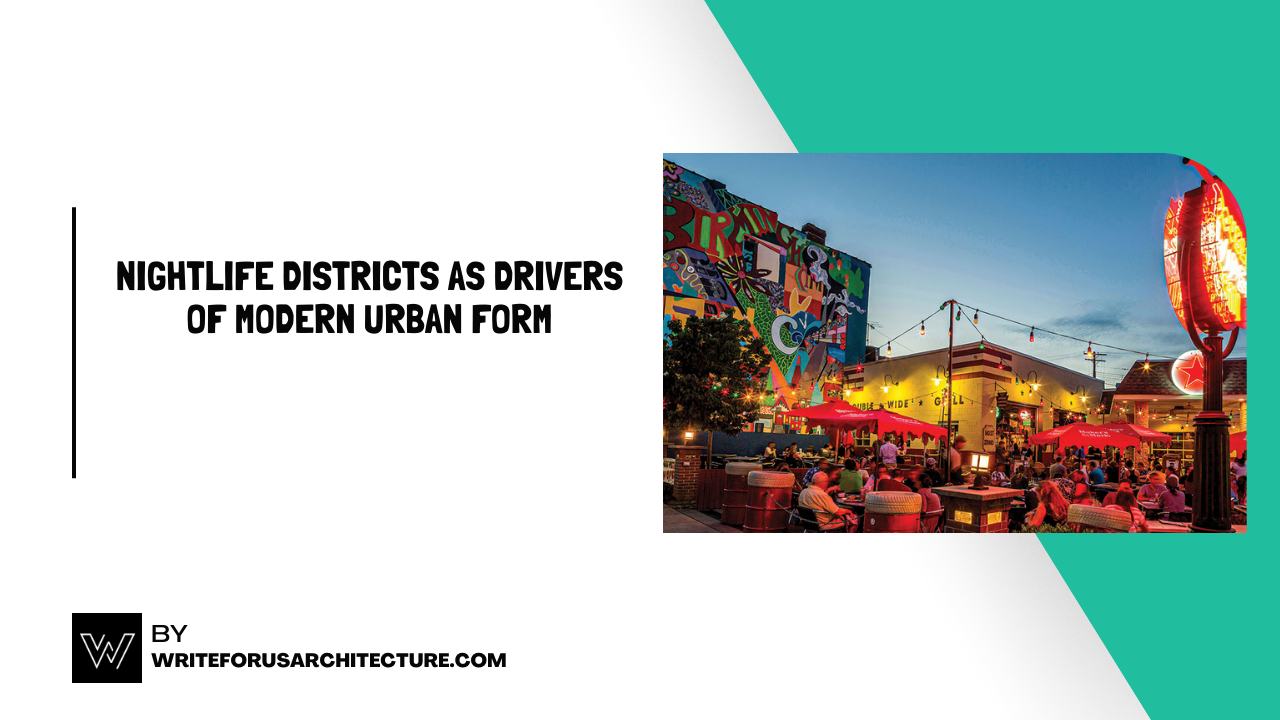
Cities reshape themselves in response to real behavior, not abstract theory, and one of the most measurable behavioral patterns today is nighttime movement within entertainment districts. When large numbers of people walk between venues, use transport late at night, and spend time in dense urban areas after midnight, planners respond with concrete solutions such as zoning adjustments, enhanced lighting, extended transport schedules, and increased building density.
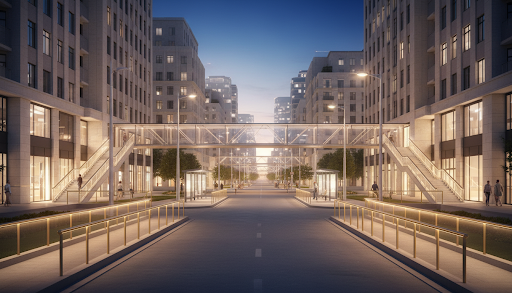
In Las Vegas, the Strip illustrates this logic clearly: continuous pedestrian traffic between casinos, clubs, hotels, and adjacent services has driven the creation of wide sidewalks, pedestrian bridges, regulated drop-off zones, and fully 24-hour infrastructure. Within this environment, demand for complementary nightlife-related services, including escorts las vegas, appears as a predictable part of the same spatial system, relying on accessibility, safety, and clear urban navigation rather than existing separately from the built environment. In this way, nightlife districts function as integrated ecosystems where urban design supports not only venues themselves but the full range of services that emerge around concentrated nighttime activity.
Zoning, land use, and spatial concentration
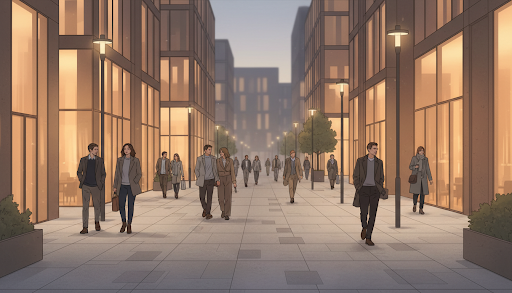
Nightlife districts push cities toward more flexible zoning models. Traditional separation between residential, commercial, and entertainment uses becomes inefficient once nighttime activity reaches critical mass. As a result, planners increasingly favor concentrated entertainment zones where impact can be managed rather than dispersed across neighborhoods.
These areas often feature higher density allowances, relaxed operating hours, and specialized regulations covering noise, signage, and crowd control. Concentration allows cities to invest in targeted infrastructure instead of spreading resources thin.
Mixed Use development and vertical planning
Modern nightlife districts rarely exist on a single plane. Clubs, lounges, hotels, short-stay apartments, restaurants, and retail are stacked vertically to maximize land efficiency. This model supports continuous activity throughout the day and night, ensuring that streets remain active rather than abandoned after business hours.
Vertical planning also improves safety and economic resilience by diversifying usage within the same footprint.
Managing conflict between nightlife and residential zones
Nightlife inevitably creates friction. Urban design addresses this through spatial buffers, acoustic planning, and transitional streets that reduce direct impact on residential areas. Instead of banning activity, cities redesign street layouts, building orientation, and operating rules to allow coexistence.
Common zoning tools used in nightlife districts:
- Sound level thresholds and facade requirements
- Designated entertainment overlays
- Transitional mixed-use corridors
Mobility, safety, and nighttime infrastructure
Nightlife districts expose weaknesses in cities designed only for daytime use. Once crowds move after midnight, gaps in transport, lighting, and safety become visible. Contemporary urban design increasingly treats nighttime mobility as a standard requirement rather than an exception.
Well-designed nightlife zones feature clear pedestrian routes, ride pickup zones, extended public transport hours, and visible safety infrastructure. These elements reduce congestion, improve user confidence, and lower enforcement costs.
Transport systems designed for late-hour movement
Late-night buses, extended metro schedules, and dedicated curb zones for taxis and ride services are direct responses to nightlife demand. Without them, informal traffic patterns emerge, increasing risk and inefficiency. Cities that integrate transport planning with nightlife activity experience smoother flows and fewer conflict points.
Economic impact and urban branding
Nightlife districts generate disproportionate economic value per square meter. Beyond venues themselves, they support hotels, food services, transport operators, security, and short-term accommodation. This concentration of spending makes nightlife a strategic asset rather than a marginal sector.
Urban branding often follows functionality. Cities known for vibrant nightlife attract tourism not because of image alone, but because infrastructure reliably supports high-volume nighttime activity.
Nightlife as an anchor for tourism and local services
Tourists gravitate toward districts where movement is easy, services are clustered, and activity feels continuous. Nightlife hubs create predictable demand that encourages private investment and public upgrades.
Economic effects on surrounding neighborhoods:
- Job creation across service sectors
- Increased property utilization rates
- Higher tax revenue from concentrated commerce
Design trade-offs and long-term urban planning outcomes
Despite its benefits, nightlife-driven design requires balance. Over-commercialization can displace residents, while under-regulation can strain public services. Long-term planning focuses on adaptability. Cities adjust operating rules, redesign streets, or decentralize nightlife when pressure becomes excessive.
Successful nightlife districts are treated as evolving systems. Their design reflects continuous monitoring of behavior rather than fixed master plans.
Conclusion: Nightlife as a permanent planning variable
Nightlife districts influence contemporary urban design because they reveal how cities actually function under peak social demand. From zoning and transport to safety and economic strategy, planners increasingly design for night behavior with the same precision once reserved for daytime use. As cities grow denser and more active around the clock, nightlife is no longer optional context. It is a permanent variable shaping how modern urban environments are built and sustained.
